

Landscapes That Catch the Storm and Keep Their Cool
Why Resilience Starts with Roots
Deep Architecture, Lasting Stability
Perennial natives and bunchgrasses develop deep, fibrous or taproot systems that anchor slopes, resist compaction, and create persistent macropores. Those pathways welcome rainfall into the profile instead of sending it racing toward storm drains. Over time, roots die back, forming organic matter that further boosts structure and water-holding capacity. The result is a self-improving foundation that needs less intervention yet handles bigger downpours and longer dry periods with calm predictability.
Soil Life as an Underground Ally
Mycorrhizal fungi, rhizobacteria, and detritivores thrive around native roots, exchanging nutrients for sugars and building glues that stabilize aggregates. This living web improves infiltration, moderates pH swings, and buffers plants from drought stress. Choosing site-appropriate natives encourages these microscopic partners to flourish, gently transforming hardpan into a spongey, resilient matrix. Healthy soil biology shortens establishment time, raises survival rates, and keeps the entire planting dynamic even when watering is infrequent or nonexistent.
Hydrologic Sponges, Not Decorative Extras
Great stormwater landscapes are not merely pretty—they are hydrologic devices disguised as gardens. Root density and depth directly influence how fast and how much water infiltrates. When combined with grade adjustments, mulch, and permeable edges, plantings become orchestrated sponges. That functionality lowers peak flows, filters pollutants, and protects downstream waterways. With the right palette, seasonal beauty coincides with measurable performance, merging aesthetics and infrastructure in a single, living system.
Palette Building: Color, Texture, and Function
Sizing, Slopes, and Ponding Depth
Plant Zonation by Hydroperiod

Regional Combinations You Can Adapt
Working with Constraints: Small Spaces, Big Impact
Container Strategies That Truly Conserve
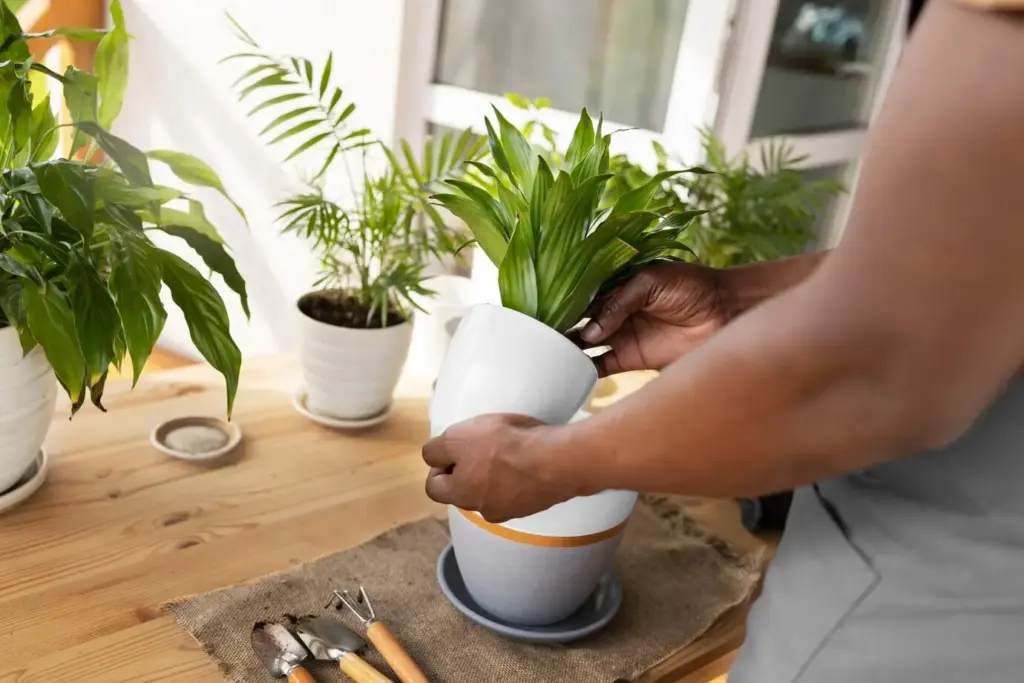
Use lightweight mineral substrates topped with coarse mulch to limit evaporation. Group containers so canopies shade pot walls, reducing heat stress. Select drought-adapted natives with modest root balls that still deliver pollinator support. Add slow-release, organic nutrition to keep growth measured and resilient. Capture downspout water in a rain barrel, then direct it to containers after storms. Small systems teach essential lessons about timing, storage, and plant signals that scale up gracefully outdoors.
Front Yards That Welcome Water
Trade thirsty turf for a welcoming, storm-savvy entry garden. Gentle mounds guide flows toward a central basin framed by drought-tolerant color. Flagstone steppers keep feet dry while funneling drips to planting pockets. Choose species that stay tidy near sidewalks yet offer pollinator banquets. A discreet sign invites questions, helping spread awareness. When visitors notice butterflies, seed heads, and zero puddles after heavy rain, conversations begin—and a quiet movement often follows.
Design That Satisfies Neighbors and Rules
Edge definition and seasonal structure matter in communities with design review. Use clipped forms or repeating drifts to broadcast intention. Keep heights controlled near corners for visibility, and ensure inlets look purposeful with stone aprons. Provide a short maintenance note for inspectors if needed. When landscapes read as cared-for and comprehensible, approvals come easier, and more households try drought-ready, storm-smart plantings that complement neighborhood character while delivering measurable environmental value.